
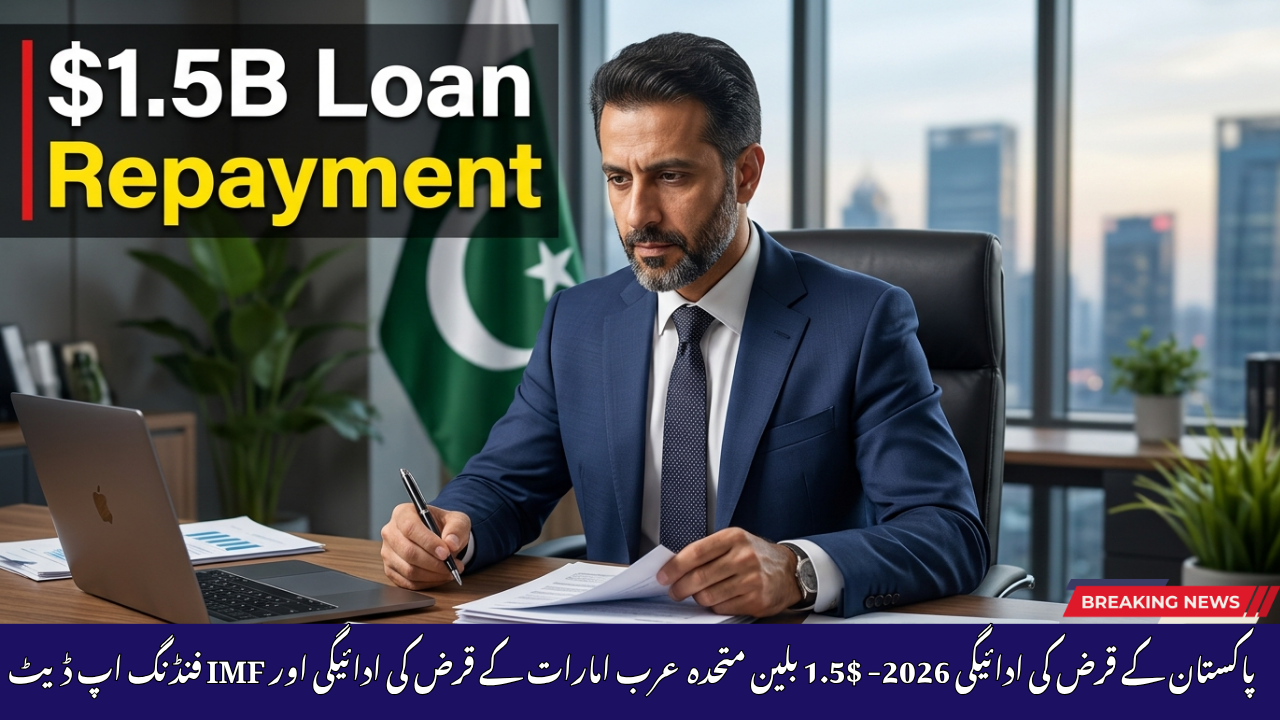
Pakistan Loan Repayment 2026: UAE Debt Payment & IMF Funding Update
Pakistan is once again in the spotlight due to its financial commitments and economic challenges. The government has announced plans to repay $1.5 billion to the United Arab Emirates (UAE) by April 23, 2026, while simultaneously expecting fresh funding from the International Monetary Fund (IMF). This development reflects both the country’s financial discipline and the ongoing pressure on its economy.
Also read:
Dasun Shanaka PSL Ban 2026 – Full Details of 1-Year Ban from Pakistan Super League
Background of the Loan
Pakistan has relied on financial assistance from friendly countries like the United Arab Emirates in recent years to stabilize its foreign exchange reserves. These loans are typically short-term deposits that help Pakistan maintain a minimum reserve level required by international lenders such as the IMF.
The $1.5 billion repayment is part of a broader strategy to manage external debt responsibly and maintain credibility in global financial markets. Timely repayment is essential for ensuring continued financial support from international partners.
Why This Repayment Matters
The repayment of this loan is significant for several reasons. First, it demonstrates Pakistan’s commitment to honoring its financial obligations, which is crucial for maintaining trust among international lenders. Second, it helps improve the country’s creditworthiness, making it easier to secure future loans or investments.
However, the situation is not entirely straightforward. Pakistan’s foreign exchange reserves remain under pressure due to high import bills, rising oil prices, and global economic uncertainty. Repaying such a large amount could temporarily reduce reserves, making IMF support even more critical.
Role of IMF Funding
The expected funding from the IMF plays a crucial role in balancing the impact of this repayment. The IMF program is designed to provide financial assistance while also ensuring economic reforms. These reforms typically include measures such as fiscal discipline, tax reforms, and energy sector adjustments.
Pakistan’s ongoing engagement with the IMF indicates that the country is working toward stabilizing its economy. The release of IMF funds could help offset the outflow caused by the UAE loan repayment and provide much-needed support to the country’s balance of payments.
Economic Challenges Facing Pakistan
Pakistan is currently facing multiple economic challenges, including inflation, currency depreciation, and a widening trade deficit. The repayment of external loans adds to these challenges, as it requires careful management of limited financial resources.
Despite these difficulties, the government is trying to strike a balance between meeting its financial obligations and ensuring economic stability. Policies aimed at increasing exports, reducing unnecessary imports, and attracting foreign investment are being prioritized.
Impact on the Public
For the average citizen, these financial developments may translate into continued economic pressure. Inflation and rising costs of living remain major concerns. However, successful negotiations with the IMF and responsible debt management could lead to long-term economic stability.
Future Outlook
Looking ahead, Pakistan’s economic future will depend on several key factors, including the successful completion of IMF program requirements, improved tax collection, and increased foreign investment. The timely repayment of the UAE loan is a positive step, but sustained efforts will be required to achieve long-term stability.
Official Website Links
- State Bank of Pakistan – https://www.sbp.org.pk
- International Monetary Fund – https://www.imf.org
-
FOLLOW UPS FOR MORE UPDATES:
Whatsapp:
FAQs
1. What is the latest loan repayment update of Pakistan?
Pakistan plans to repay $1.5 billion to the UAE by April 23, 2026.
2. Why is Pakistan repaying this loan?
To maintain financial credibility and meet international obligations.
3. What role does the IMF play?
The IMF provides financial assistance and guides economic reforms.
4. Will this repayment affect Pakistan’s economy?
Yes, it may temporarily reduce reserves but helps long-term stability.
5. What is Pakistan expecting from the IMF?
Fresh funding to support foreign exchange reserves.
6. How does this impact inflation?
Indirectly, as financial pressure can contribute to inflation.
7. Is Pakistan facing an economic crisis?
Pakistan is under economic pressure but actively managing it.
8. What are foreign exchange reserves?
Funds held by a country to manage imports and stabilize currency.
9. Can Pakistan repay more loans in future?
Yes, depending on economic stability and reforms.
10. What is the deadline for repayment?
April 23, 2026.
Conclusion
Pakistan’s decision to repay $1.5 billion to the UAE highlights its commitment to financial responsibility. While economic challenges remain, support from the IMF and strategic reforms can help stabilize the economy. The coming weeks will be crucial in determining how effectively Pakistan manages its financial obligations and secures future funding.
Disclaimer
This article is for informational purposes only. Economic conditions and financial policies may change based on government decisions and global developments. Always refer to official sources for the latest updates.
2 thoughts on “Pakistan Loan Repayment 2026- $1.5 Billion UAE Debt Payment & IMF Funding Update”