
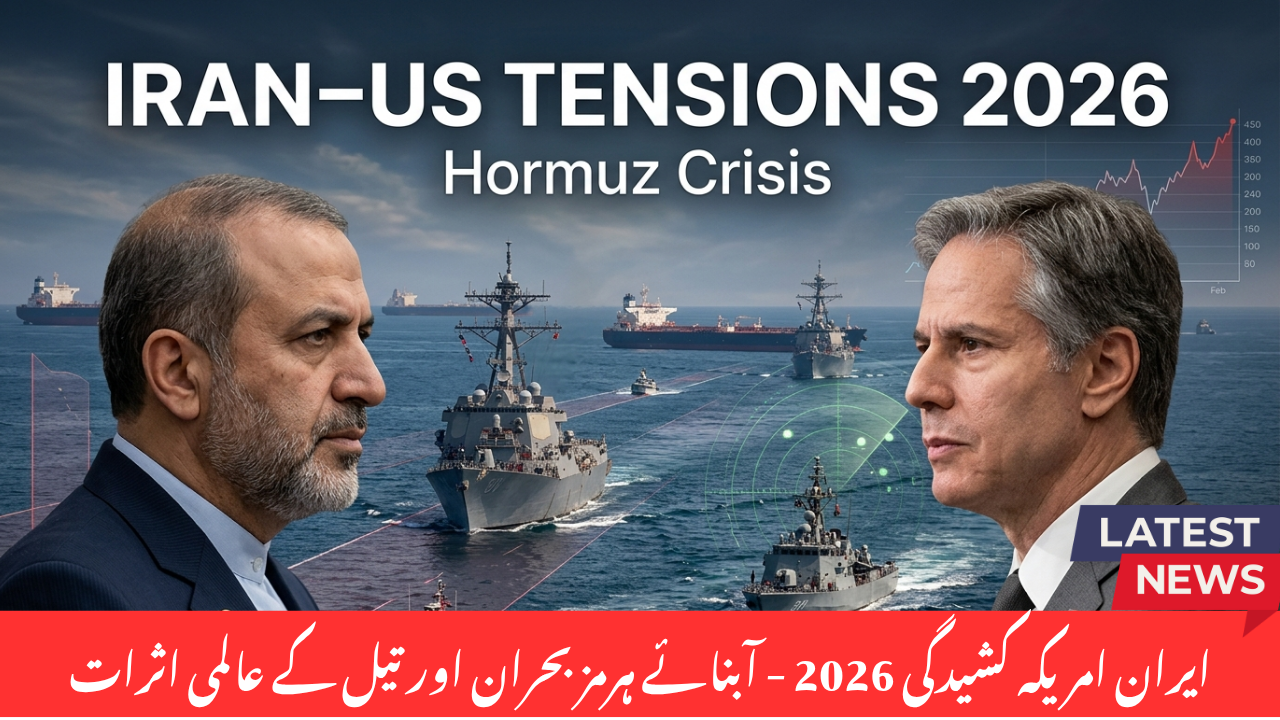
Iran–US Tensions 2026: Strait of Hormuz Crisis
The Iran US tensions 2026 have once again reached a critical point after Iran closed the Strait of Hormuz following the seizure of an Iranian cargo ship by the United States. This escalation has not only increased the risk of conflict in the Middle East but also triggered sharp reactions in global oil markets and economies worldwide.
Also read:
Rashan Card Scheme 2026 – Monthly Ration for Low-Income Households in Pakistan
The situation intensified when U.S. forces seized an Iranian-flagged vessel accused of violating a naval blockade. Iran strongly condemned the move, calling it a violation of international law and a threat to its sovereignty. In response, Tehran shut down key shipping lanes in the Strait of Hormuz, one of the world’s most important oil transit routes.
Why the Strait of Hormuz Matters
The Strait of Hormuz is considered the most critical oil chokepoint globally. Nearly 20% of the world’s oil supply passes through this narrow waterway, making it essential for global energy security. Any disruption here can have immediate and severe consequences for oil prices and international trade.
With Iran restricting access, shipping traffic has dropped significantly, and uncertainty has increased among global energy markets. Even temporary closures can create panic among traders and investors.
Oil Prices Surge Globally
Following the escalation, oil prices surged sharply. Brent crude rose above $95 per barrel, while U.S. crude prices also climbed significantly.
This increase is driven by fears of supply disruption. When the flow of oil is threatened, prices naturally rise due to reduced availability and increased risk. Analysts warn that continued instability could push prices even higher, potentially affecting fuel costs, inflation, and economic growth worldwide.
Global Market Reactions
The crisis has caused volatility in global financial markets. Stock markets reacted nervously, while energy stocks experienced gains. Countries heavily dependent on Middle Eastern oil—such as China, India, and Japan—are particularly vulnerable to disruptions in the Strait of Hormuz.
In addition, shipping companies are facing increased insurance costs and operational risks, further complicating global trade flows.
Diplomatic Talks at Risk
Before this escalation, peace talks between Iran and the United States were expected to take place in Pakistan. However, the latest developments have put these negotiations in jeopardy. Iran has signaled reluctance to participate, citing U.S. actions as a breach of trust.
This raises concerns that the fragile ceasefire between the two nations could collapse, potentially leading to further military confrontation.
Military and Strategic Implications
The closure of the Strait of Hormuz is not just an economic move—it is also a strategic signal. Iran has historically used the strait as leverage in geopolitical conflicts. By restricting access, Tehran demonstrates its ability to disrupt global energy supplies and pressure international stakeholders.
On the other hand, the United States maintains a strong military presence in the region and has indicated it will continue enforcing its policies. This creates a tense standoff with significant risks of escalation.
What Happens Next?
The future of the Iran US tensions 2026 crisis remains uncertain. Several scenarios are possible:
- De-escalation through diplomacy
- Continued economic pressure and sanctions
- Military confrontation if tensions worsen
Much will depend on whether both sides return to negotiations or continue escalating actions.
Official Sources / Links
- Reuters
US-Iran tensions impact markets and Hormuz crisis - The Guardian
US seizes Iranian ship near Strait of Hormuz - The Washington Post
Oil prices jump after US seizes Iranian vessel - Al Jazeera
Impact of Strait of Hormuz closure on global oil
FAQs
1. What caused the Iran–US tensions in 2026?
The crisis escalated after the U.S. seized an Iranian cargo ship, leading Iran to close the Strait of Hormuz.
2. Why is the Strait of Hormuz important?
It carries about 20% of global oil supply, making it vital for energy markets.
3. How did oil prices react?
Oil prices surged above $95 per barrel due to supply concerns.
4. Are global markets affected?
Yes, stock markets and trade flows have become volatile.
5. Is there a risk of war?
Yes, tensions increase the risk of military confrontation.
6. What role does Pakistan play?
Pakistan is hosting potential peace talks between Iran and the U.S.
7. Why did Iran close the strait?
As retaliation and strategic pressure against U.S. actions.
8. How does this affect fuel prices?
Higher oil prices can lead to increased fuel costs globally.
9. Can the situation improve?
Yes, if diplomatic talks resume successfully.
10. Who is most affected?
Oil-importing countries and global economies are most impacted.
-
FOLLOW UPS FOR MORE UPDATES:
Whatsapp:
Conclusion
The Iran US tensions 2026 highlight how quickly geopolitical conflicts can impact the global economy. The closure of the Strait of Hormuz has once again demonstrated its importance as a strategic and economic chokepoint. As oil prices rise and markets react, the world watches closely to see whether diplomacy can prevent further escalation.
Disclaimer
This article is for informational and educational purposes only. It is based on current news reports and may change as new developments emerge. Readers should follow official sources for real-time updates.
1 thought on “Iran US Tensions 2026 – Strait of Hormuz Crisis & Global Oil Impact”