
Introduction
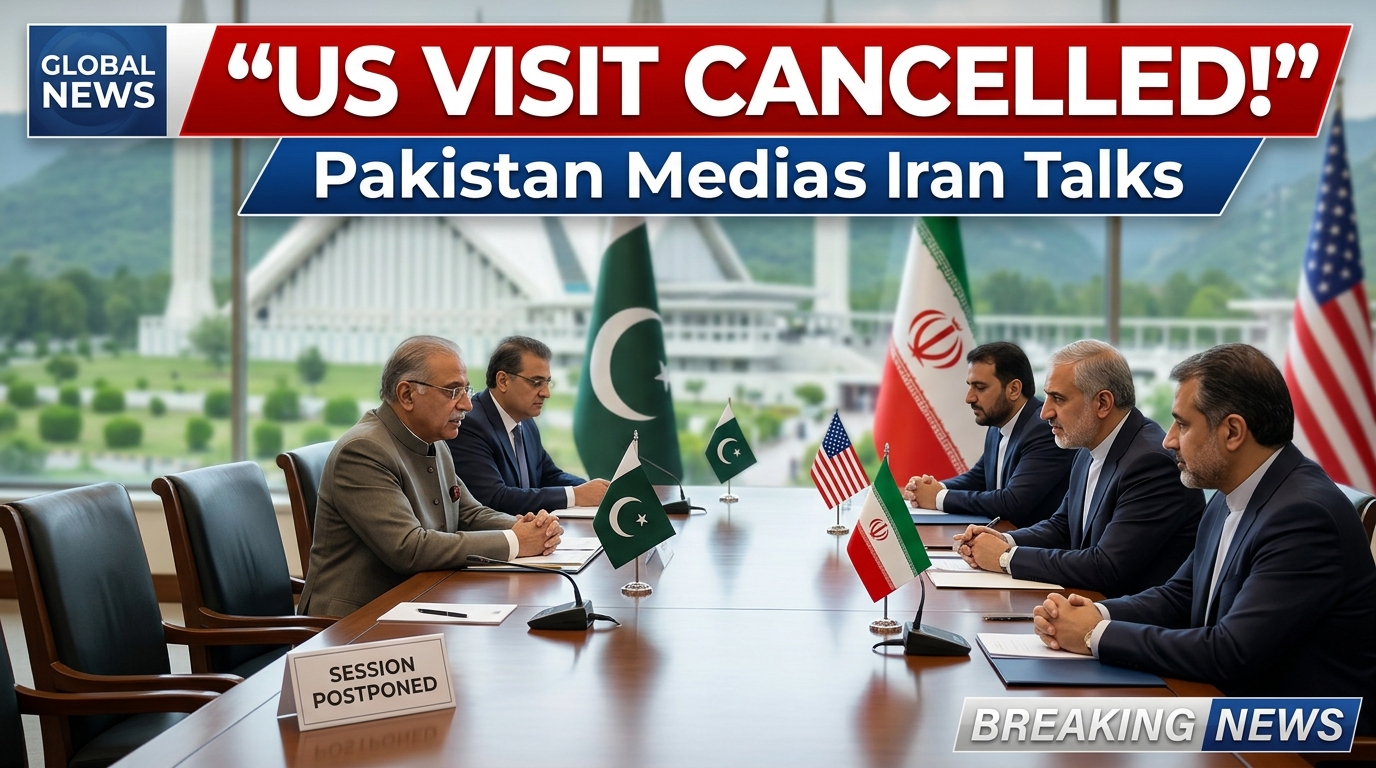
Pakistan US Iran mediation has become one of the most important global political developments in 2026. As tensions between the United States and Iran escalated into conflict, Pakistan stepped forward as a neutral mediator, hosting diplomatic talks in Islamabad. However, recent developments — including the sudden cancellation of a planned US delegation visit — have created fresh uncertainty about the future of these negotiations.
Also read:
Punjab Film City Lahore 2026 – 50 Acre Mega Project to Boost Media Industry

Pakistan’s Diplomatic Role
Pakistan has historically maintained balanced relations with both the United States and Iran, positioning itself as a credible mediator. In recent weeks, Islamabad hosted high-level meetings involving Iranian officials and Pakistani leadership to explore possible peace solutions.
Reports confirm that Iran’s Foreign Minister Abbas Araghchi visited Pakistan and held discussions with top officials, including Prime Minister Shehbaz Sharif and military leadership. These meetings focused on reducing tensions and creating a pathway for US–Iran negotiations.
Pakistan’s efforts were seen as a major step toward de-escalation in a conflict that has impacted global oil markets and regional stability.
Sudden Cancellation of US Delegation
Despite initial optimism, the diplomatic process faced a major setback when the United States abruptly canceled a planned visit by its envoys.
According to reports, US President Donald Trump canceled the visit of key officials, including Jared Kushner and Steve Witkoff, shortly after the Iranian delegation left Islamabad.
This unexpected move disrupted plans for a second round of talks and raised questions about the seriousness of ongoing negotiations.
Reasons Behind the Cancellation
Several factors contributed to the cancellation:
- Lack of Agreement: The US reportedly believed Iran’s proposals were insufficient for meaningful progress.
- Iran’s Position: Iran showed reluctance to engage in direct talks with US representatives.
- Strategic Differences: Both sides continue to disagree on key issues like sanctions and nuclear policy.
These challenges highlight the complexity of the conflict and the limits of mediation efforts.
Impact on Global Politics
The stalled talks have significant global implications:
- Oil Market Instability: Tensions in the Strait of Hormuz continue to disrupt global energy supplies.
- Regional Security Risks: Ongoing conflict increases instability in the Middle East.
- Diplomatic Uncertainty: Failure of talks weakens confidence in peaceful resolution mechanisms.
Pakistan’s role remains crucial, but the situation shows how fragile diplomatic efforts can be.
🇵🇰 Pakistan’s Continued Efforts
Despite setbacks, Pakistan has reaffirmed its commitment to mediation. Officials have indicated that diplomatic channels remain open and further talks could still take place.
Pakistan’s strategy focuses on:
- Encouraging indirect dialogue
- Maintaining neutrality
- Coordinating with other regional players
This persistence keeps hope alive for future negotiations.
Future Outlook
The future of Pakistan US Iran mediation remains uncertain. While the cancellation of the US delegation visit is a major setback, it does not signal the end of diplomatic efforts.
Possible scenarios include:
- Resumption of talks through alternative channels
- Involvement of other mediators like Oman or Qatar
- Continued stalemate leading to prolonged conflict
-
FOLLOW UPS FOR MORE UPDATES:
Whatsapp:
FAQs
1. What is Pakistan’s role in US–Iran talks?
Pakistan is acting as a mediator, hosting discussions and facilitating communication between both countries.
2. Why was the US delegation visit canceled?
The visit was canceled due to disagreements and lack of progress in negotiations.
3. Did Iran agree to direct talks with the US?
No, Iran showed reluctance to engage in direct negotiations during this phase.
4. Where were the talks held?
The talks were held in Islamabad, Pakistan.
5. Who led the Iranian delegation?
Iran’s Foreign Minister Abbas Araghchi led the delegation.
6. What issues are causing conflict?
Key issues include sanctions, nuclear policies, and regional security concerns.
Also read:
Pakistan Afghanistan Tensions Rise Again: Taliban Allegations and Pakistan Response
7. How does this affect global markets?
It impacts oil supply and increases economic uncertainty worldwide.
8. Is Pakistan neutral in this conflict?
Yes, Pakistan is maintaining neutrality to act as a fair mediator.
9. Will talks resume?
There is a possibility, but no confirmed schedule yet.
10. Why is mediation difficult?
Deep political differences and lack of trust make negotiations challenging.
Conclusion
Pakistan’s involvement in mediating the US–Iran conflict highlights its growing importance in global diplomacy. However, the sudden cancellation of the US delegation visit has created uncertainty and slowed progress toward peace. While challenges remain, Pakistan’s continued efforts could still play a key role in preventing further escalation.
Disclaimer
This article is based on recent news reports and publicly available information. The situation is evolving, and developments may change rapidly.
Official Website
- Pakistan Ministry of Foreign Affairs: https://mofa.gov.pk/