
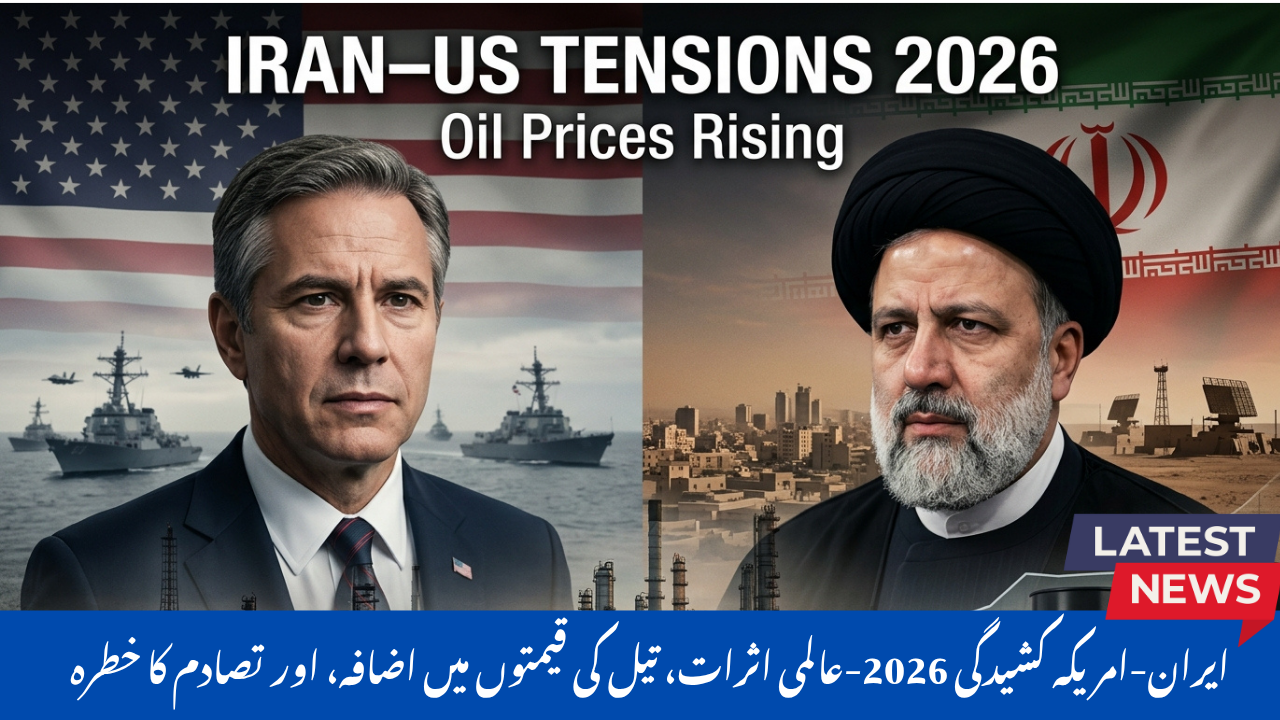
Iran US Tensions 2026: Global Risks, Diplomacy Breakdown, and Economic Impact
Introduction
Iran us tensions 2026 are becoming one of the most significant geopolitical concerns in the world today. The relationship between Iran and the United States has entered a sensitive phase where diplomacy is fragile, trust is low, and the risk of escalation remains high. Despite attempts at negotiation, both sides continue to disagree on key political and security issues, increasing uncertainty across global markets.
Also read:
PSL 2026 Final Match Updates-Live Score, Highlights, Teams & Full Analysis
Diplomatic Situation Between Iran and the US
Failed Negotiation Attempts
In 2026, Iran submitted a new diplomatic proposal aimed at reducing tensions and restarting dialogue with the United States. However, US leadership has expressed skepticism, questioning Iran’s intentions and long-term commitments.
Lack of Trust
The core issue in Iran us tensions 2026 is the long-standing lack of trust. Disputes over nuclear development, sanctions, and regional influence continue to block meaningful progress in negotiations.
Warning of Possible Conflict
A senior Iranian official recently warned that further conflict is “likely,” highlighting how fragile the situation has become. This statement has increased global concern and added pressure on diplomatic channels.
Rising Military Concerns
Although no direct war has started, Iran us tensions 2026 include growing military readiness on both sides. Military forces remain positioned across strategic regions, increasing the risk of accidental escalation.
Defense analysts warn that even a small incident could quickly grow into a larger conflict. This uncertainty is forcing global powers to closely monitor the situation.
Impact on Global Oil Prices
Iran’s Role in Oil Supply
Iran is a major oil-producing nation, and any instability affects global energy markets. As Iran us tensions 2026 rise, concerns about oil supply disruptions are increasing.
Expected Price Increase
Experts predict that oil prices may rise significantly if tensions continue. Higher oil prices can lead to inflation, affecting transportation, manufacturing, and food prices worldwide.
Global Energy Pressure
Countries that depend heavily on imported oil are most at risk, as energy costs directly impact their economic stability.
Economic Impact Worldwide
Market Volatility
Global stock markets often react quickly to geopolitical tensions. Iran us tensions 2026 have already contributed to uncertainty among investors, leading to market fluctuations.
Effects on Emerging Economies
Developing countries are especially vulnerable because rising energy costs increase inflation and slow down economic growth.
Business and Industry Impact
Industries such as aviation, shipping, logistics, and manufacturing face higher operational costs due to fuel price increases.
Strategic Importance of the Middle East
The Middle East plays a critical role in global politics and energy supply chains. One of the most important areas is the Strait of Hormuz, through which a large portion of the world’s oil passes.
Any disruption in this region due to Iran us tensions 2026 could have immediate global consequences, affecting both supply and pricing.
Global Diplomatic Involvement
Other global powers, including China, Russia, and European countries, are closely watching Iran us tensions 2026. Some nations may attempt to mediate to prevent further escalation, while others focus on protecting their economic interests.
International organizations may also step in to encourage peaceful negotiations and stability.
Official Website Link
https://www.state.gov/iran-sanctions/
FOLLOW UPS FOR MORE UPDATES:
Whatsapp:
https://whatsapp.com/channel/0029Vb7bBGqGpLHYH9ZEnU3H
Future Outlook
The future of Iran us tensions 2026 remains uncertain. While diplomatic talks are still ongoing, progress is slow and fragile. The coming months will be crucial in determining whether tensions decrease or escalate further.
Global leaders continue to stress the importance of diplomacy to avoid economic and security disruptions worldwide.
FAQs
1. What are Iran us tensions 2026?
They refer to rising political and military tensions between Iran and the United States in 2026.
2. Why are Iran US tensions increasing?
Due to disagreements over nuclear issues, sanctions, and regional influence.
3. Is there a risk of war?
While not certain, officials have warned that conflict remains a possibility.
4. How do Iran US tensions affect oil prices?
They create supply uncertainty, which can increase global oil prices.
5. Which countries are most affected economically?
Oil-importing and emerging economies are the most vulnerable.
6. What is the Strait of Hormuz?
A key global oil shipping route near Iran that is critical for energy supply.
7. How do markets react to these tensions?
Markets often become volatile, with fluctuating stock and energy prices.
8. Are diplomatic talks still ongoing?
Yes, but progress remains slow and uncertain.
9. Which industries are affected most?
Energy, aviation, shipping, logistics, and manufacturing sectors.
10. Can tensions be resolved peacefully?
Yes, through successful diplomatic negotiations, though challenges remain.
Conclusion
Iran us tensions 2026 remain a major global concern with wide-ranging political and economic consequences. While diplomacy is still active, uncertainty continues to affect global markets, energy prices, and international relations. Careful monitoring and strong diplomatic efforts will be essential to prevent further escalation.