
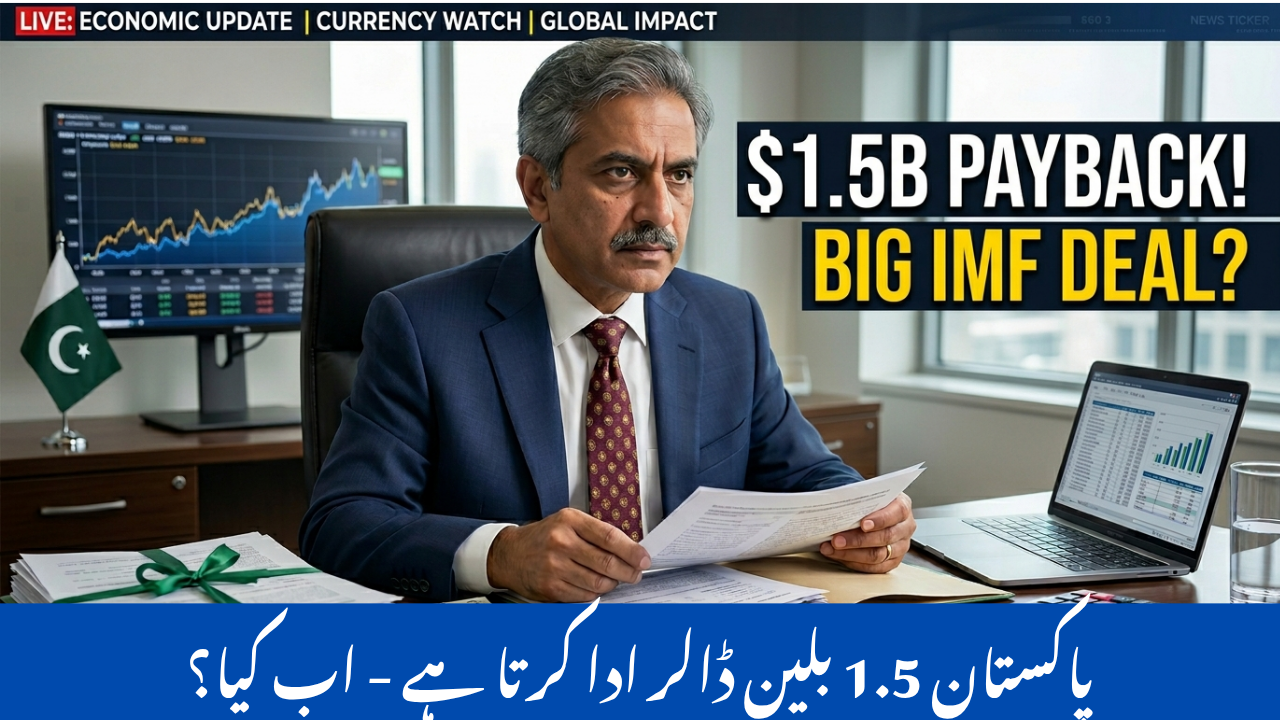
Pakistan UAE loan repayment IMF strategy is at the center of the country’s economic policy in 2026, as the government prepares to repay a $1.5 billion loan to the UAE by April 23. This move is closely tied to ongoing negotiations with the International Monetary Fund, which is expected to provide a crucial financial lifeline.
Also read:
Hajj Flight Operations Pakistan 2026 Begin with Improved Facilities for Pilgrims
Pakistan’s Debt Repayment Strategy
The repayment of the UAE loan signals Pakistan’s intent to demonstrate fiscal discipline and credibility to international lenders. Over the past few years, Pakistan has relied heavily on external financing to manage its balance of payments crisis. By clearing this debt, the government aims to strengthen its negotiating position with the IMF and other global financial institutions.
This move is not just symbolic—it reflects a calculated effort to meet strict IMF conditions, which often include improving foreign reserves, reducing fiscal deficits, and implementing structural reforms.
IMF Loan Tranche: A Lifeline for Pakistan
Pakistan is currently in discussions with the IMF for a new loan tranche, which is considered essential for avoiding default and maintaining economic stability. IMF support typically unlocks additional funding from other international partners, including Gulf countries and development banks.
The expected IMF package will likely come with tough conditions, such as:
- Increasing tax revenue
- Reducing energy subsidies
- Controlling inflation
- Implementing structural economic reforms
While these measures are necessary, they also bring short-term challenges for businesses and citizens, including higher living costs.
The Pakistan UAE loan repayment IMF plan reflects the government’s commitment to restoring financial credibility and securing international support.
Role of Gulf Countries in Financial Support
Pakistan’s economic survival strategy heavily depends on support from Gulf nations, particularly the UAE and Saudi Arabia. These countries have historically provided financial assistance in the form of:
- Deposits in Pakistan’s central bank
- Oil facilities on deferred payments
- Direct loans and investments
Ongoing coordination with Gulf states indicates that Pakistan is seeking to maintain strong diplomatic and economic ties to secure additional financial backing.
Economic Challenges Facing Pakistan
Despite these efforts, Pakistan continues to face multiple economic challenges:
1. Inflation بحران
Inflation remains high, significantly affecting the purchasing power of ordinary citizens. Rising fuel and food prices have made daily life more expensive.
2. Foreign Exchange Reserves
Pakistan’s foreign reserves are under pressure, making it difficult to cover imports and stabilize the currency.
3. Currency Depreciation
The Pakistani rupee has experienced fluctuations, increasing the cost of imports and external debt repayment.
4. Energy Crisis
Dependence on imported fuel continues to strain the economy, especially amid global energy market volatility.
Positive Signals for Economic Recovery
Despite the challenges, there are some positive indicators:
- Renewed IMF engagement
- Improved diplomatic relations with Gulf countries
- Government commitment to fiscal reforms
If managed effectively, these steps could help Pakistan regain investor confidence and stabilize its economy in the long term.
Future Outlook
The coming months will be crucial for Pakistan’s economic trajectory. Successful repayment of the UAE loan and approval of the IMF tranche could provide temporary relief. However, sustainable recovery will depend on long-term reforms, including:
- Expanding the tax base
- Boosting exports
- Reducing reliance on external borrowing
Without these structural changes, Pakistan may continue to face recurring financial crises.
Official Website Links
- International Monetary Fund → https://www.imf.org
- State Bank of Pakistan → https://www.sbp.org.pk
- Ministry of Finance Pakistan → https://www.finance.gov.pk
-
FOLLOW UPS FOR MORE UPDATES:
Whatsapp:
FAQs (10)
1. Why is Pakistan repaying the UAE loan?
To improve credibility and secure IMF funding.
2. What is the IMF loan tranche?
It is a portion of a larger loan package released after meeting conditions.
3. How much is Pakistan repaying?
$1.5 billion to the UAE.
4. Why is IMF support important?
It prevents default and unlocks global financial assistance.
5. What conditions does IMF impose?
Tax reforms, subsidy cuts, and fiscal discipline.
6. How do Gulf countries help Pakistan?
Through loans, deposits, and oil facilities.
7. Will this improve Pakistan’s economy?
Short-term relief is expected, but long-term reforms are needed.
8. What are the biggest economic challenges?
Inflation, low reserves, and energy costs.
9. Is Pakistan at risk of default?
Risk exists but is reduced with IMF support.
10. What is the future outlook?
Stability depends on consistent reforms and external support.
Conclusion / Disclaimer
Pakistan’s decision to repay the UAE loan reflects a strategic effort to stabilize its economy and regain international financial trust. While IMF support may provide temporary relief, sustainable economic growth requires deep structural reforms and reduced dependence on external borrowing. This article is for informational purposes only and does not constitute financial advice.