
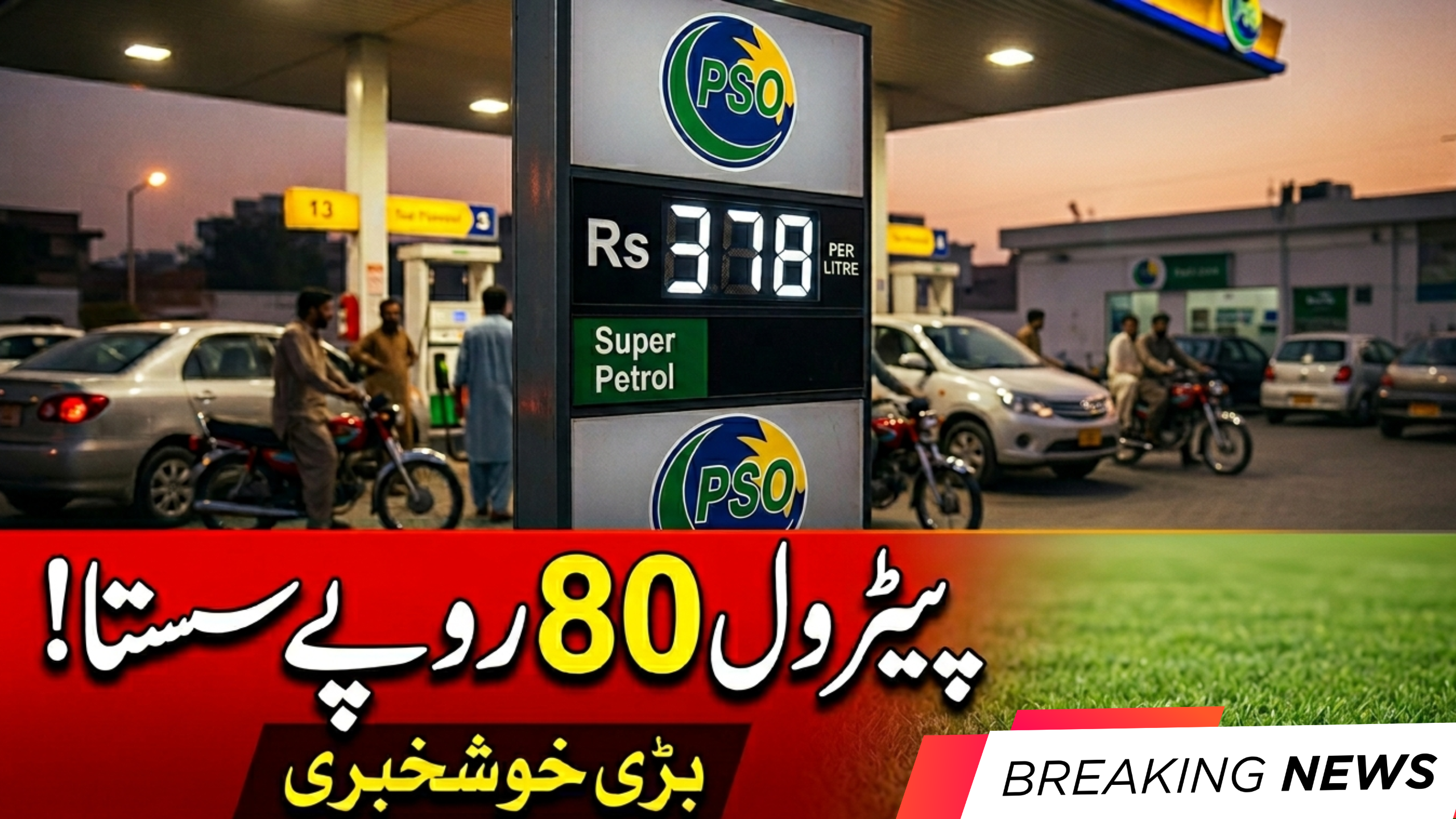
Petrol Price Relief in Pakistan: Government Cuts Rs 80 Per Litre After Public Pressure
Introduction
“The Petrol Price in Pakistan 2026 has seen a major shift as the government recently announced a significant reduction in fuel rates due to intense public pressure…”
Background: Record-Breaking Fuel Prices
Before the reduction, petrol prices in Pakistan had reached unprecedented levels, reportedly crossing Rs 450 per litre. This sharp increase was largely driven by global oil price fluctuations, currency depreciation, and ongoing geopolitical tensions affecting oil supply chains.
The high fuel costs had a cascading effect on the economy. Transportation fares surged, food prices increased, and daily commuting became unaffordable for many citizens. Students, office workers, and small business owners were among the most affected groups.
Also read:
https://viralupdatespk.com/e-bike-scheme-for-students-pakistan/
Government Announces Rs 80 Reduction
In response to mounting public pressure, the government finally took action by reducing petrol prices by Rs 80 per litre, bringing the new price down to approximately Rs 378 per litre.
This decision was widely welcomed across the country, as it provided immediate financial relief to households and businesses. The reduction is being seen as a short-term corrective measure aimed at stabilizing public sentiment and easing economic pressure.
| Fuel Type | Old Price (Rs) | New Price (Rs) | Reduction |
| Petrol | 458 | 378 | Rs 80 |
| Diesel | 465 | 395 | Rs 70 |
Public Reaction and Impact
The announcement was met with relief and cautious optimism. Citizens expressed satisfaction, but many also emphasized that fuel prices are still relatively high compared to previous years.
Key impacts of the price reduction include:
- Decrease in transportation costs
- Slight reduction in inflationary pressure
- Improved affordability for daily commuters
- Positive sentiment in local markets
However, experts believe that long-term economic stability will require more consistent and sustainable policies.
Economic Ripple Effects
Fuel prices play a crucial role in shaping the overall economy of Pakistan. A reduction of Rs 80 per litre is expected to have multiple ripple effects:
- Transport Sector: Lower fares for buses, rickshaws, and ride-hailing services
- Agriculture: Reduced cost of machinery operation and goods transportation
- Small Businesses: Lower logistics costs, improving profit margins
- Inflation Control: Potential slowdown in rising prices of essential goods
Despite these positive outcomes, economists warn that global oil market volatility could again impact local prices in the near future.
Global Factors Behind Price Changes
The fluctuation in petrol prices is not limited to domestic policies. International factors such as Middle East tensions, global oil demand, and supply disruptions play a significant role.
Pakistan, being an oil-importing country, is highly dependent on international markets. Any change in global oil prices directly affects local fuel rates, making it difficult to maintain long-term price stability.
Government Strategy Moving Forward
The government is expected to introduce additional measures to manage fuel prices and reduce economic pressure on citizens. These may include:
- Subsidy programs for low-income groups
- Promotion of electric vehicles (EVs)
- Expansion of public transport systems
- Energy diversification strategies
Such steps are essential to reduce reliance on imported fuel and build a more resilient economy.
Professional Reference
For more updates on fuel pricing and economic policies, you can visit:
- Official government petroleum division website
- International oil market reports (e.g., IMF, World Bank)
- Reputable news sources covering Pakistan’s economy
Frequently Asked Questions (FAQ)
Q1: What is the current petrol price in Pakistan?
➡️ After the recent reduction, petrol is approximately Rs 378 per litre.
Q2: Why did the government reduce petrol prices?
➡️ Due to strong public pressure and rising economic difficulties.
Q3: Will petrol prices decrease further?
➡️ It depends on global oil prices and government policy decisions.
Q4: How does this reduction affect inflation?
➡️ It may slightly reduce inflation by lowering transportation and logistics costs.
Q5: Is this a permanent price cut?
➡️ No, fuel prices can change depending on international market conditions.
Disclaimer
This article is for informational purposes only. Petrol prices and government policies may change based on economic conditions and official announcements. Readers are advised to verify updates from official government sources before making financial or travel-related decisions.
Conclusion
The Rs 80 reduction in petrol prices marks a significant moment in Pakistan’s current economic landscape. While it offers temporary relief to the public, it also highlights the challenges of managing fuel prices in a globally interconnected economy. Moving forward, sustainable energy policies and economic reforms will be crucial in ensuring long-term stability and affordability for the people of Pakistan.
1 thought on “Petrol Price in Pakistan 2026: Big Relief as Govt Cuts Rs 80 Per Litre”