
Petrol Prices Reduced in Pakistan – Major Relief or Temporary Adjustment?
Prime Minister Announces Price Cut
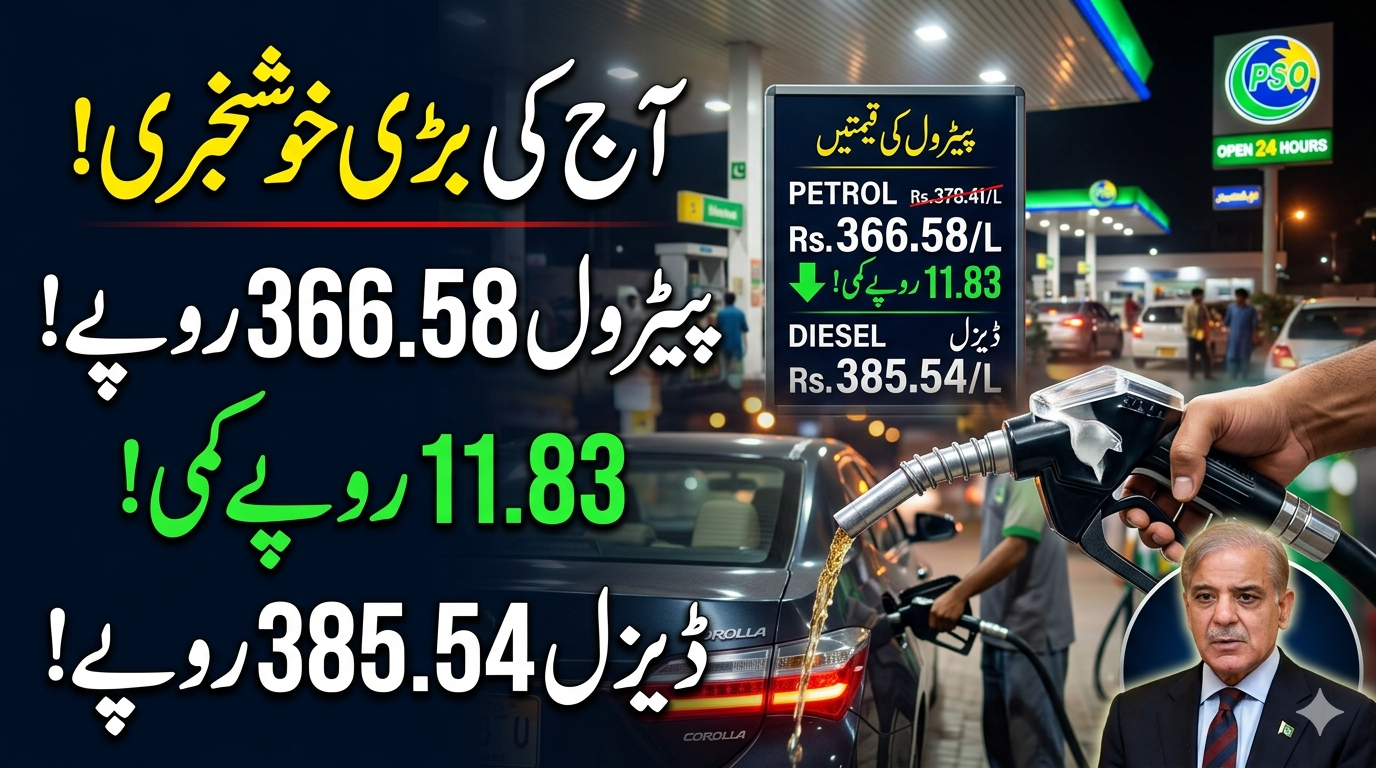
On April 11, 2026, the Prime Minister of Pakistan, Shehbaz Sharif, addressed the nation and announced a significant reduction in petroleum prices. According to the official statement, the price of petrol has been reduced by Rs. 11.83 per litre, bringing the new rate down to Rs. 366.58 per litre.
Petrol Price in Pakistan April 2026 has been officially reduced, bringing major relief to the public as new fuel rates are announced across the country.
Also read:
In addition to this, the government also announced a major cut in high-speed diesel prices. Diesel has been reduced by Rs. 134.81 per litre, with the new price set at Rs. 385.54 per litre.
These revised prices came into effect from midnight and are now applicable across the country. The announcement has been widely welcomed by the public, especially at a time when inflation continues to put pressure on household budgets.
Latest Fuel Prices in Pakistan
As per the latest notification issued by the government, the updated fuel prices are as follows:
- Petrol (MS-92): Rs. 366.58 per litre
- High-Speed Diesel (HSD): Rs. 385.54 per litre
- Kerosene Oil: Rs. 467.48 per litre
These prices are regulated and implemented nationwide under the supervision of the Ministry of Finance Pakistan, which reviews fuel rates periodically based on global oil trends and economic conditions.
Background: Global Oil Crisis Impact
The recent fluctuations in petroleum prices are closely linked to developments in the global energy market. In April 2026, Pakistan witnessed an unusual situation where three separate price notifications were issued within just eight days. This rapid change highlights the volatility in international oil markets.
One of the key reasons behind this instability is the disruption in global oil supply routes, particularly around the Strait of Hormuz. This route is one of the most critical oil transit chokepoints in the world, and any disturbance in this region directly impacts global oil prices.
Earlier in the month, on April 3, petrol prices had reached record highs due to a sharp increase in global crude oil prices. However, following public pressure and economic concerns, the government intervened to provide relief.
Government Strategy Behind the Reduction
The government’s decision to reduce fuel prices is part of a broader strategy to ease the financial burden on citizens. Officials stated that the reduction was made possible after cutting petroleum levies and adjusting tax components.
Previously, the government had already reduced the petroleum levy by around Rs. 80 per litre, which helped bring prices down from approximately Rs. 378 per litre. The latest reduction is seen as a continuation of that relief effort.
This move also reflects the government’s attempt to balance economic stability while responding to public concerns about rising living costs.
Impact on Public and Economy
The reduction in petrol and diesel prices is expected to have a positive impact on multiple sectors of the economy.
Lower fuel prices can lead to reduced transportation costs, which may eventually bring down the prices of essential goods and services. For daily commuters, especially motorbike and car users, this change provides immediate financial relief.
Additionally, industries that rely heavily on diesel, such as agriculture and logistics, are likely to benefit significantly from the price cut.
However, experts caution that this relief may be temporary, as fuel prices remain highly dependent on global market trends and currency fluctuations.
Next Price Review
Fuel prices in Pakistan are typically reviewed every 15 days. The next revision is expected on April 16, 2026, where prices may either increase or decrease depending on international oil rates and the exchange rate of the Pakistani rupee.
Consumers are advised to stay updated with official announcements to avoid misinformation and plan their expenses accordingly.
Frequently Asked Questions (FAQ)
Q1: Why were petrol prices reduced in Pakistan?
The reduction was mainly due to adjustments in petroleum levies and an effort by the government to provide relief amid rising inflation.
Q2: Are these prices permanent?
No, fuel prices in Pakistan are reviewed every 15 days and may change depending on global oil market conditions.
Q3: Who decides fuel prices in Pakistan?
Fuel prices are regulated by the government, primarily through the Ministry of Finance Pakistan in coordination with relevant authorities.
Q4: Will this reduce inflation?
It may help reduce transportation and logistics costs, which could have a gradual positive effect on inflation.
Disclaimer
This article is based on publicly available reports and announcements as of April 11, 2026. Fuel prices are subject to change based on government policies and global market conditions. Readers are advised to verify updates through official government sources before making financial decisions.