
U.S Iran Ceasefire 2026 Under Threat as Israeli Strikes Escalate
Fragile Ceasefire at Risk
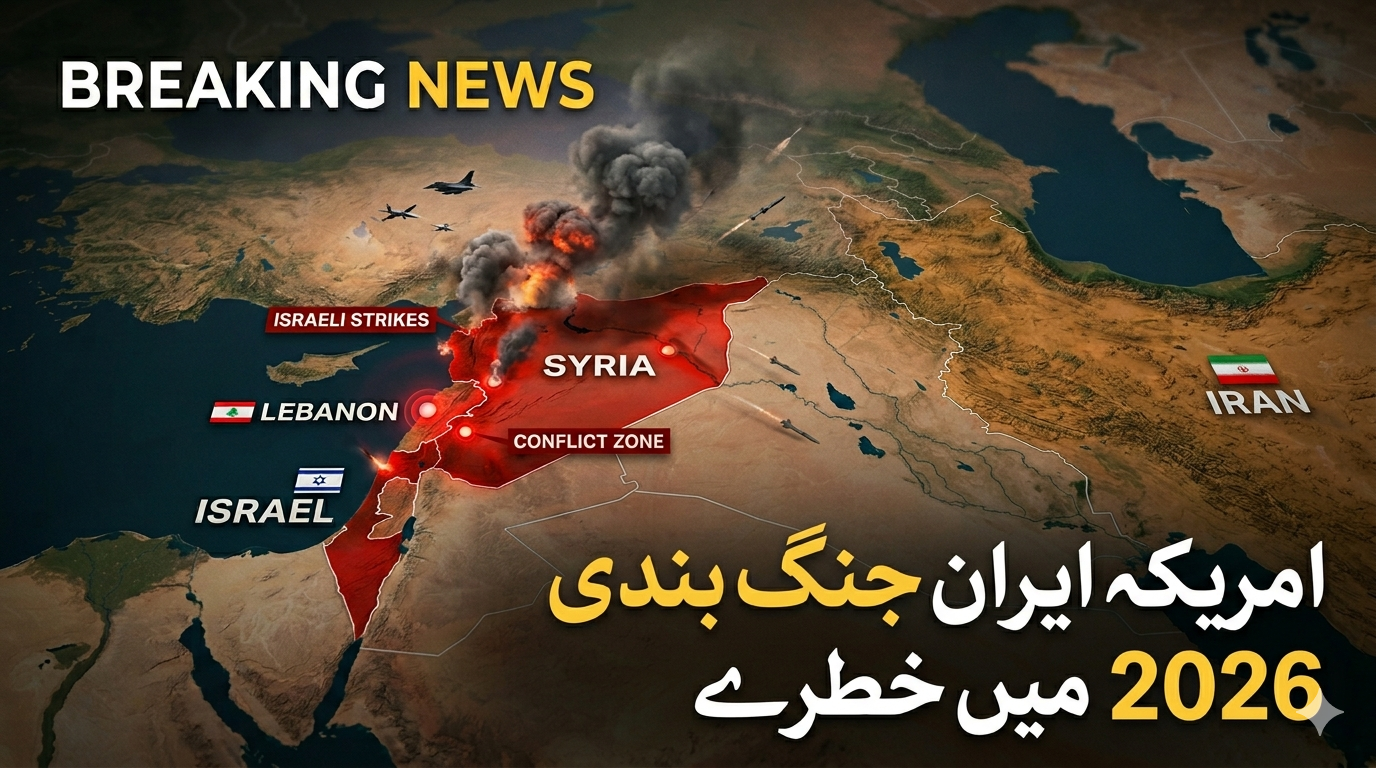
The U.S Iran ceasefire 2026, intended to halt hostilities and allow diplomatic negotiations, is under severe strain. Following the announcement of the two-week truce, Israel launched intense strikes across Lebanon, targeting residential areas and suspected Hezbollah positions. Reports indicate hundreds of civilians killed and thousands injured, sparking fears that the ceasefire may collapse entirely. (Reuters)
Also read:
PSL 2026 Points Table – Updated Standings, Rankings & Playoff Race
Israeli Strikes in Lebanon Challenge Peace Efforts
The Israeli Defense Forces (IDF) have conducted over 100 air and artillery attacks, citing threats from Hezbollah. However, these actions have intensified civilian casualties and prompted criticism from Iran, Lebanon, and the international community. Analysts warn that continuing strikes may force Iran to withdraw from the ceasefire, risking full-scale regional escalation. (The Guardian)
Conflicting Interpretations of the Ceasefire
A major challenge for the U.S Iran ceasefire 2026 is the disagreement over its coverage. The United States maintains that Lebanon and Hezbollah are not part of the ceasefire, while Iran and mediators argue the truce should apply region-wide. This contradiction has caused diplomatic tensions and questions about the durability of the agreement. (Naharnet)
International Response and Calls for Diplomacy
The United Nations condemned the violence, calling casualty figures “appalling” and urging a halt to indiscriminate attacks. The European Union has also called for an extension of the ceasefire to include Lebanon, emphasizing the need for a comprehensive peace agreement in the region. (Reuters)
Impact on Global Stability and Energy Markets
The deteriorating ceasefire has significant implications beyond the battlefield. Iran reportedly re‑closed the Strait of Hormuz, affecting global energy supplies. Financial markets reacted sharply, with oil prices rising due to fears of a broader Middle East conflict. Analysts warn that instability could extend to regional trade and international diplomacy. (NDTV)
Frequently Asked Questions (FAQ)
Q1: What is the U.S Iran ceasefire 2026 about?
A: The ceasefire is a two-week truce designed to pause hostilities between the United States and Iran and allow time for diplomatic negotiations over regional tensions.
Q2: Why are Israeli strikes affecting the ceasefire?
A: Israeli strikes in Lebanon, targeting Hezbollah positions, have resulted in civilian casualties and are perceived by Iran and other mediators as undermining the ceasefire agreement.
Q3: Does the ceasefire include Lebanon and Hezbollah?
A: There is disagreement: the U.S. claims Lebanon is excluded, while Iran and mediators insist the truce should apply to all hostilities in the region.
Q4: How is the international community responding?
A: The UN and EU have condemned the violence, urging a comprehensive extension of the ceasefire to include all affected areas.
Sources & Further Reading
- United Nations condemns Israeli strikes — Reuters
- Iran slams continued attacks — Reuters
- U.S. stance on ceasefire — Naharnet
- Israel’s bombing prompts criticism — The Guardian
Disclaimer
This article is based on verified sources as of April 9, 2026. Due to rapidly evolving geopolitical situations, details may change. Readers should consult primary news outlets or official statements for the latest updates.
3 thoughts on “U.S Iran Ceasefire 2026 Faces Strain Amid Israeli Strikes in Lebanon | Breaking News”