
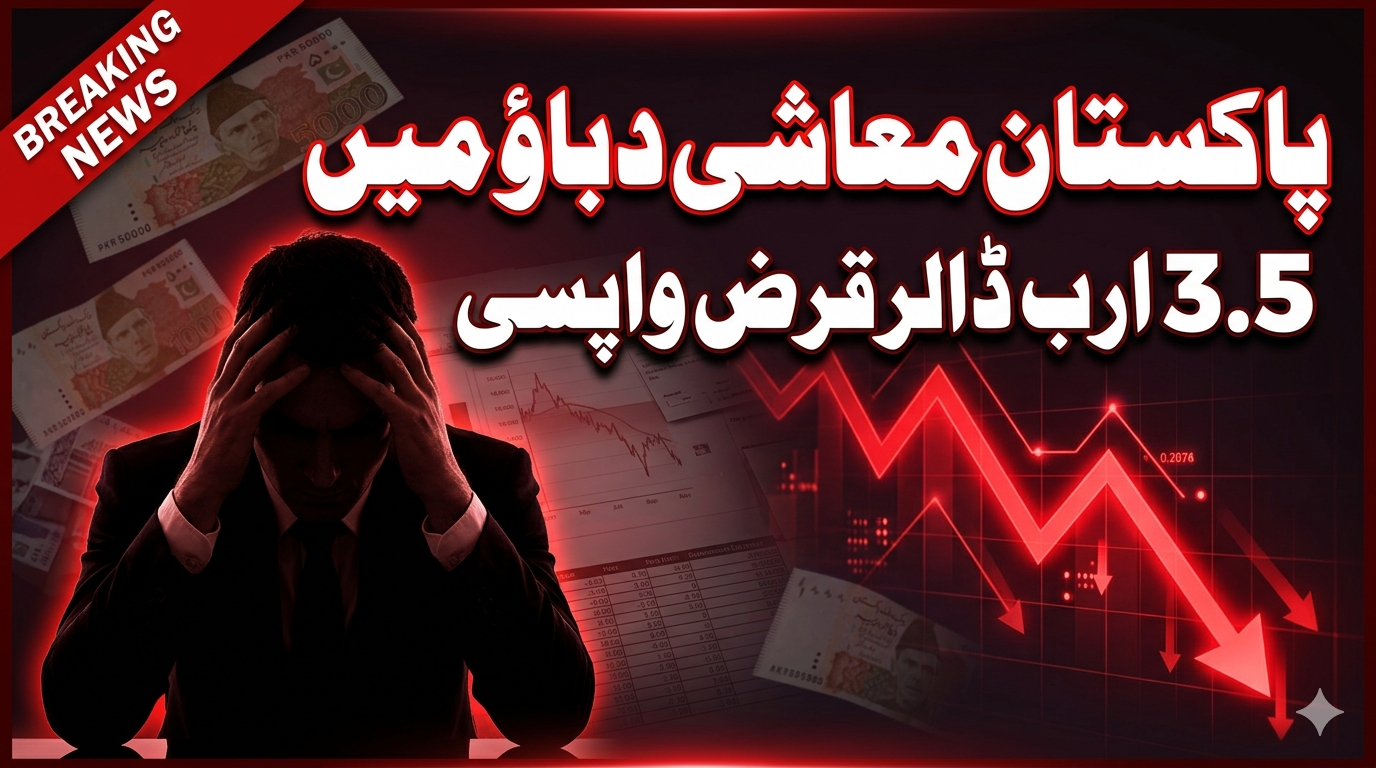
Pakistan Economic Pressure 2026: Loan Repayment, IMF Targets, and Rising Financial Risks
Introduction: A Critical Phase for Pakistan’s Economy
Pakistan is currently navigating a highly sensitive economic phase as it begins repaying a significant $3.5 billion loan to the United Arab Emirates (UAE). While loan repayments are a normal part of fiscal responsibility, this development has sparked concerns among economists and policymakers due to its potential impact on the country’s already fragile foreign exchange reserves.
At a time when Pakistan is striving to meet strict conditions set by the International Monetary Fund (IMF), this repayment is being closely monitored both domestically and internationally. The situation raises important questions about economic sustainability, inflation control, and currency stability.
Also read:
Iran US Conflict Escalates: Middle East War Threatens Global Stability and Oil Supply
Understanding the Loan Repayment Situation
Pakistan’s financial obligations to friendly countries, including the UAE, are part of broader bilateral support agreements aimed at stabilizing the economy during crises. The repayment of $3.5 billion is a substantial outflow, especially considering the limited foreign reserves currently held by the State Bank of Pakistan.
Foreign reserves are crucial because they enable a country to pay for imports, stabilize its currency, and maintain investor confidence. When reserves decline sharply, it creates a ripple effect across the entire economy.
In Pakistan’s case, this repayment comes at a time when reserves are already under pressure due to external debt servicing and import payments. This has intensified concerns about whether the country can maintain a stable economic trajectory in the coming months.
Impact on IMF Program and Economic Targets
Pakistan is currently operating under an IMF-supported program that requires strict fiscal discipline, structural reforms, and maintenance of adequate foreign reserves. Any significant financial outflow—such as this loan repayment—can make it more challenging to meet these targets.
The IMF program is designed to stabilize Pakistan’s economy, but it also comes with tough conditions, including reducing subsidies, increasing tax revenues, and controlling inflation. Failure to meet these conditions could delay future funding tranches, which are essential for economic stability.
This situation puts policymakers in a difficult position: balancing international obligations while ensuring domestic economic stability.
Risk of Rupee Depreciation
One of the most immediate risks associated with declining foreign reserves is the depreciation of the Pakistani Rupee. When reserves fall, the central bank has less ability to intervene in currency markets to support the rupee.
A weaker rupee means that imports become more expensive, particularly essential commodities like fuel, machinery, and food items. This not only increases the cost of living but also contributes to a wider trade deficit.
Currency depreciation can also shake investor confidence, leading to reduced foreign investment and further economic instability.
Inflationary Pressures on the Rise
Inflation is already a major concern in Pakistan, and the current economic developments could worsen the situation. As the rupee weakens, import costs rise, which directly impacts prices in local markets.
For ordinary citizens, this translates into higher prices for everyday goods such as electricity, fuel, and groceries. Businesses also face increased production costs, which are often passed on to consumers.
The result is a cycle of rising prices and reduced purchasing power, making it harder for households to manage their expenses. This inflationary pressure is one of the most significant risks linked to the current economic situation.
Economic Slowdown: A Growing Concern
The combined impact of loan repayments, inflation, and currency depreciation could lead to a broader economic slowdown. When inflation rises and purchasing power falls, consumer spending declines, which directly affects business activity.
Industries may reduce production due to higher costs and lower demand, potentially leading to job losses and slower economic growth. This creates a challenging environment for both businesses and policymakers.
Economic slowdown also affects government revenue collection, making it harder to manage fiscal deficits and invest in development projects.
Government Strategy and Possible Solutions
To navigate these challenges, the government is expected to focus on several key strategies:
- Strengthening foreign exchange reserves through exports and remittances
- Continuing negotiations with international partners for financial support
- Implementing structural reforms to improve economic efficiency
- Tightening monetary policy to control inflation
Additionally, improving investor confidence through policy stability and transparency will be crucial in attracting foreign investment.
Conclusion: A Defining Moment for Pakistan’s Economy
Pakistan’s decision to repay the UAE loan reflects its commitment to honoring international obligations. However, the timing of this repayment has added pressure on an already strained economic system.
The coming months will be critical in determining whether Pakistan can successfully manage these challenges while staying on track with IMF targets. Effective policy decisions, combined with international support, will play a key role in shaping the country’s economic future.
FAQs
1. Why is Pakistan repaying the UAE loan now?
Pakistan is fulfilling its financial obligations under bilateral agreements to maintain credibility and international trust.
2. How does this repayment affect foreign reserves?
It reduces the available reserves, which can impact currency stability and import capacity.
3. Will the Pakistani rupee weaken further?
There is a risk of depreciation if reserves continue to decline and external pressures increase.
4. How does this impact inflation?
A weaker rupee makes imports more expensive, leading to higher prices for goods and services.
5. Can Pakistan recover from this economic pressure?
Yes, with effective reforms, IMF support, and improved exports, economic stability can be achieved over time.
Disclaimer
This article is for informational purposes only and is based on current economic developments and expert analysis. Economic conditions can change rapidly due to global and domestic factors. Readers are advised to consult financial experts or official sources before making any financial decisions.