
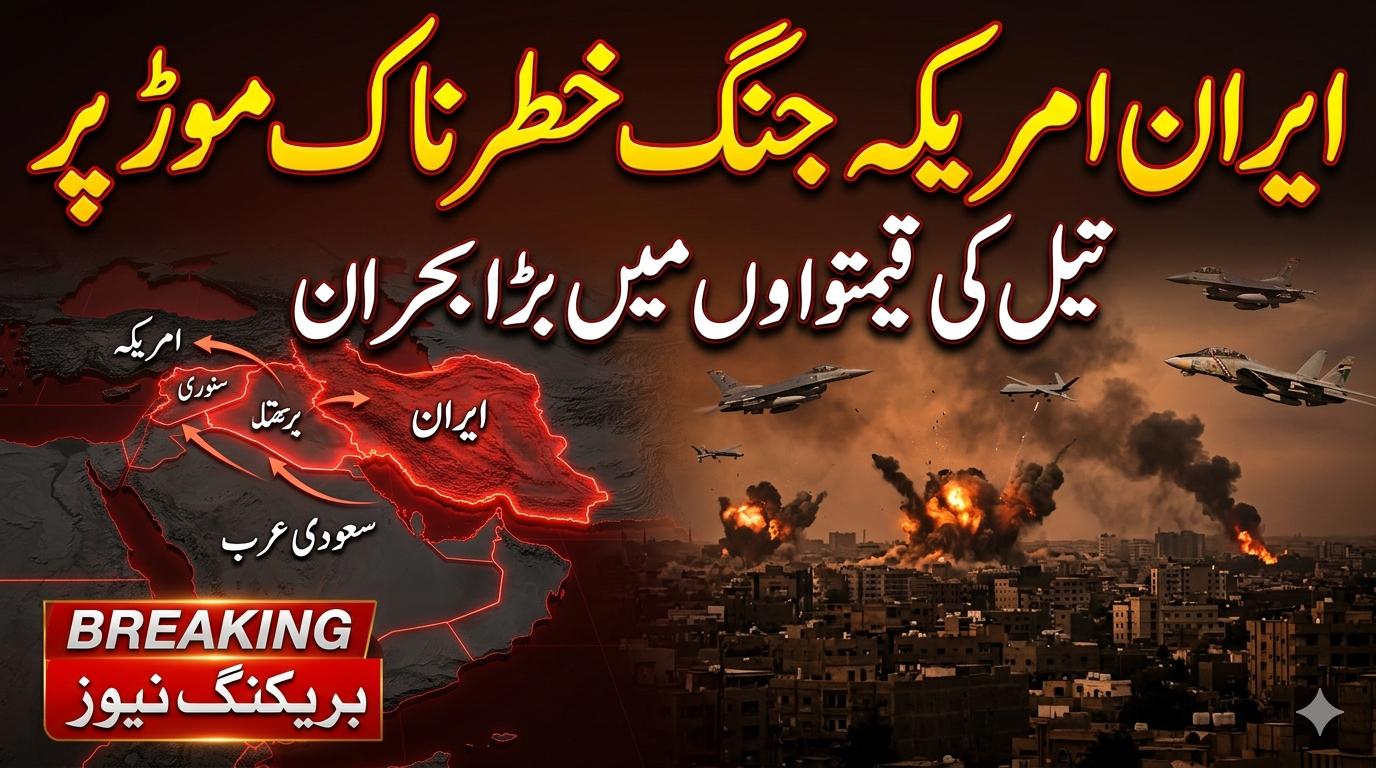
Global Crisis Escalates: Iran–US Conflict Reaches a Critical Turning Point
Introduction: Rising Tensions in the Middle East
Iran US Conflict has entered a dangerous and critical phase, raising serious concerns across the globe. The ongoing tensions between Iran and the United States have intensified with reports of airstrikes, drone attacks, and explosions in key regions of the Middle East. This escalating situation is not only a regional issue but also a global crisis affecting political stability, security, and oil supply worldwide.
Also read:
Punjab Veterinary Internship Program 2026: Rs. 60,000 Stipend & Career Opportunity for Youth
Escalation of Military Activities
Recent intelligence reports indicate a significant increase in military operations. Several strategic locations in Iran have reportedly been targeted by aerial strikes, while nearby regions, including Saudi Arabia, have also witnessed explosions and heightened security alerts.
Drone warfare has become a key feature of this conflict, with both sides allegedly deploying unmanned aerial systems for surveillance and targeted attacks. This shift toward advanced warfare technologies signals a more complex and unpredictable battlefield. Military analysts believe that such tactics not only increase precision but also raise the risk of unintended escalation.
Political Statements and Strategic Warnings
The political rhetoric surrounding the conflict has intensified alongside military actions. Officials from the United States have issued strong warnings, stating that failure by Iran to comply with international demands could result in “major consequences.” These statements reflect a growing impatience and a willingness to escalate further if diplomatic efforts fail.
On the other hand, Iranian leadership has responded with equally firm warnings, emphasizing their readiness to retaliate against any aggression. This exchange of threats has created a tense atmosphere where the possibility of miscalculation remains dangerously high.
Impact on Global Stability
The implications of this conflict extend far beyond the Middle East. Global markets have already started reacting to the uncertainty, with fluctuations observed in stock exchanges and commodity prices. Political instability in such a critical region threatens international trade routes and security alliances.
Countries around the world are closely monitoring the situation, urging restraint and calling for diplomatic solutions. International organizations have also stepped in to encourage dialogue, but so far, progress has been limited. The risk of a broader regional or even global conflict cannot be entirely ruled out if tensions continue to rise.
Oil Supply and Economic Consequences
One of the most immediate and significant impacts of the Iran–US conflict is on global oil supply. The Middle East is a major hub for energy production, and any disruption in this region can have serious consequences for the global economy.
Oil prices have shown signs of volatility as fears of supply disruptions grow. Key shipping routes, including the Strait of Hormuz, are at risk, which could further strain energy markets. Countries dependent on oil imports may face rising costs, potentially leading to inflation and economic instability.
For more detailed insights into global oil markets, you can visit:
- International Energy Agency (IEA): https://www.iea.org
- U.S. Energy Information Administration (EIA): https://www.eia.gov
International Response and Diplomatic Efforts
Global powers and international bodies have urged both sides to exercise restraint and prioritize diplomatic engagement. Efforts are being made to de-escalate tensions through negotiations, back-channel communications, and mediation by neutral parties.
However, the effectiveness of these efforts remains uncertain. The deep-rooted political and ideological differences between Iran and the United States continue to pose significant challenges to achieving a lasting resolution.
What Lies Ahead?
The future of this conflict remains unpredictable. While there is still hope for diplomatic solutions, the ongoing escalation suggests that tensions may persist in the near term. Experts believe that the next few weeks will be crucial in determining whether the situation moves toward de-escalation or further conflict.
The international community continues to watch closely, as any major development could reshape global politics, security frameworks, and economic conditions.
Frequently Asked Questions (FAQ)
1. What is the main cause of the Iran–US conflict?
The conflict stems from long-standing political, economic, and military tensions, including disagreements over nuclear programs, sanctions, and regional influence.
2. How is this conflict affecting oil prices?
The conflict is creating uncertainty in global oil supply, leading to price fluctuations and potential increases due to supply risks.
3. Could this conflict turn into a global war?
While it is currently a regional conflict, continued escalation and involvement of other countries could increase the risk of a broader war.
4. What role are international organizations playing?
Organizations are working to promote dialogue, reduce tensions, and encourage peaceful resolutions through diplomatic channels.
5. How does this impact everyday people?
Rising oil prices, economic instability, and global uncertainty can affect fuel costs, inflation, and overall economic conditions worldwide.
Disclaimer
This article is based on currently available reports and publicly accessible information. The situation in the Middle East is rapidly evolving, and details may change as new developments emerge. Readers are advised to follow official government statements and trusted international news sources for the most accurate and up-to-date information.
1 thought on “Iran US Conflict Escalates: Middle East War Threatens Global Stability and Oil Supply”