
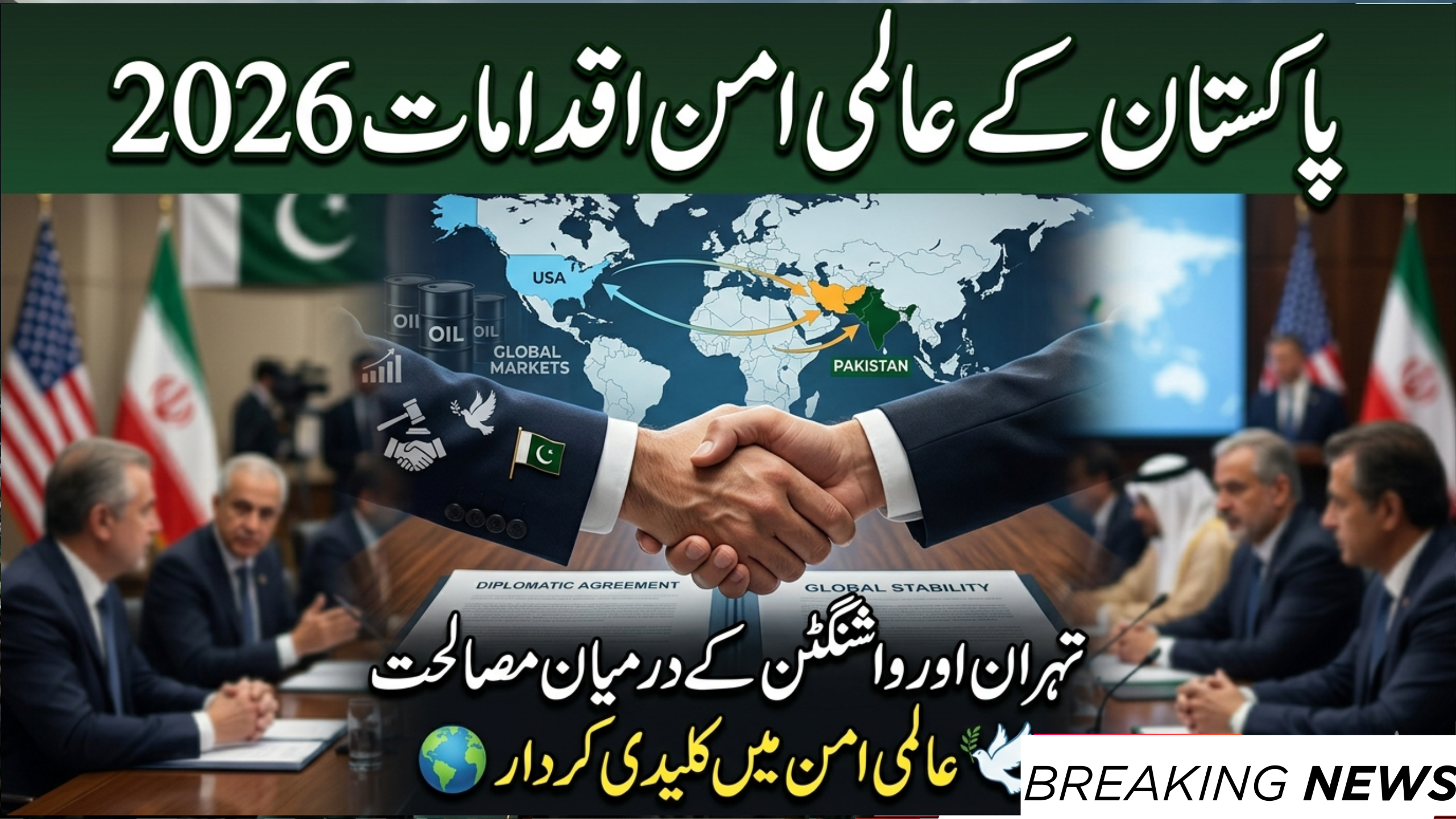
Pakistan Global Peace Efforts – A New Diplomatic Strategy in 2026
Pakistan Global Peace Efforts are gaining global attention as the country steps forward with a major diplomatic initiative to reduce tensions between Iran and the United States. This development is being seen as a bold and strategic move that reflects Pakistan’s growing role in international conflict resolution and peacebuilding.
Also read:
Free AI Training Program for 1 Million Youth 2026 – Apply Online, Eligibility, Courses & Benefits
Islamabad Accord – A Proposed Peace Framework
At the center of Pakistan Global Peace Efforts is a proposed agreement known as the Islamabad Accord. This peace plan focuses on two key phases: an immediate ceasefire and a long-term agreement aimed at ensuring sustainable peace in the region. The ceasefire is intended to stop escalating tensions, while the long-term phase will include structured negotiations, security arrangements, and diplomatic cooperation.
This approach shows a balanced strategy where both short-term stability and long-term peace are addressed together.
Pakistan’s Rising Role in Global Diplomacy
Pakistan Global Peace Efforts highlight the country’s increasing importance in global diplomacy. By offering a neutral platform and constructive solutions, Pakistan is positioning itself as a mediator between major global powers.
This initiative aligns with Pakistan’s foreign policy goals, which emphasize peace, regional stability, and economic cooperation. Experts believe that if successful, this effort could significantly improve Pakistan’s international image and diplomatic influence.
Impact on Global Oil Markets
One of the biggest global concerns linked to the Iran–US conflict is the instability in oil markets. Rising tensions often lead to disruptions in oil supply, causing price fluctuations worldwide.
Pakistan Global Peace Efforts, particularly the Islamabad Accord, could help stabilize the situation. A successful ceasefire would restore confidence in global markets, reduce oil price volatility, and benefit economies that rely heavily on energy imports, including Pakistan.
Middle East Stability and Global Peace
The Middle East plays a critical role in global geopolitics, and any conflict in the region has far-reaching consequences. Pakistan Global Peace Efforts aim to reduce tensions and encourage diplomatic dialogue instead of military confrontation.
If the Islamabad Accord succeeds, it could become a model for resolving other international conflicts through peaceful negotiations rather than force.
Challenges in Implementation
Despite the positive outlook, Pakistan Global Peace Efforts face several challenges. The Iran–US conflict involves complex political, military, and strategic interests. Both sides may have conditions that are difficult to reconcile.
Additionally, external pressures, alliances, and regional dynamics could influence the success of the agreement. Therefore, while the initiative is promising, it requires careful negotiation and international support.
FOLLOW UPS FOR MORE UPDATES:
Whatsapp:
https://whatsapp.com/channel/0029Vb7bBGqGpLHYH9ZEnU3H
Frequently Asked Questions (FAQ)
Q1: What are Pakistan’s Global Peace Efforts?
Pakistan’s Global Peace Efforts refer to its diplomatic initiative in 2026 aimed at reducing tensions between Iran and the United States through negotiation, dialogue, and strategic diplomacy.
Q2: What is the Islamabad Accord?
The Islamabad Accord is the proposed peace framework by Pakistan, focusing on an immediate ceasefire followed by structured long-term negotiations, security arrangements, and diplomatic cooperation to ensure sustainable peace.
Q3: How could this initiative affect global oil markets?
By reducing tensions between Iran and the US, the Islamabad Accord could stabilize oil supply, prevent price volatility, and positively impact global economies that rely heavily on energy imports.
Q4: Why is Pakistan’s role important in this conflict?
Pakistan provides a neutral platform for mediation, demonstrating leadership in global diplomacy, promoting peace, and fostering regional stability.
Q5: What challenges could affect the success of the Islamabad Accord?
Challenges include reconciling complex political and strategic interests of both parties, regional dynamics, external pressures, and international diplomatic support.
Disclaimer
The information provided in this article is for informational and educational purposes only. While every effort has been made to ensure accuracy, the developments described may change rapidly due to evolving international relations. The article does not constitute financial, legal, or professional advice. Readers should verify facts from official sources and exercise discretion before making any decisions based on the content.
Conclusion
Pakistan Global Peace Efforts represent a significant step toward global stability and conflict resolution. By proposing the Islamabad Accord, Pakistan has demonstrated leadership and commitment to peace.
If successful, this initiative could not only reduce tensions between Iran and the United States but also stabilize global markets and strengthen Pakistan’s role in international diplomacy. Regardless of the outcome, this effort marks an important moment in Pakistan’s foreign policy journey.
3 thoughts on “Pakistan Global Peace Efforts 2026 – Islamabad Accord to End Iran–US Conflict”